|
| 
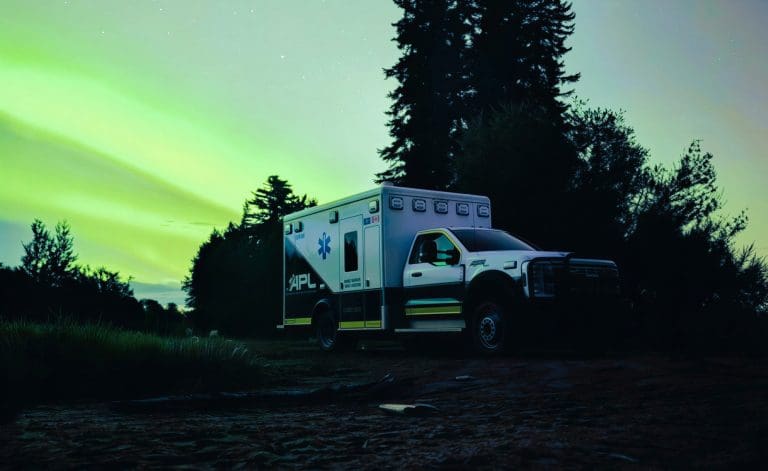
When Advanced Paramedic Ltd. (APL) needed a new ambulance for one of its remote Northern Alberta operations, the organization faced a challenge familiar to many Canadian Paramedic Services: finding a vehicle that could meet operational requirements within the required timeline.
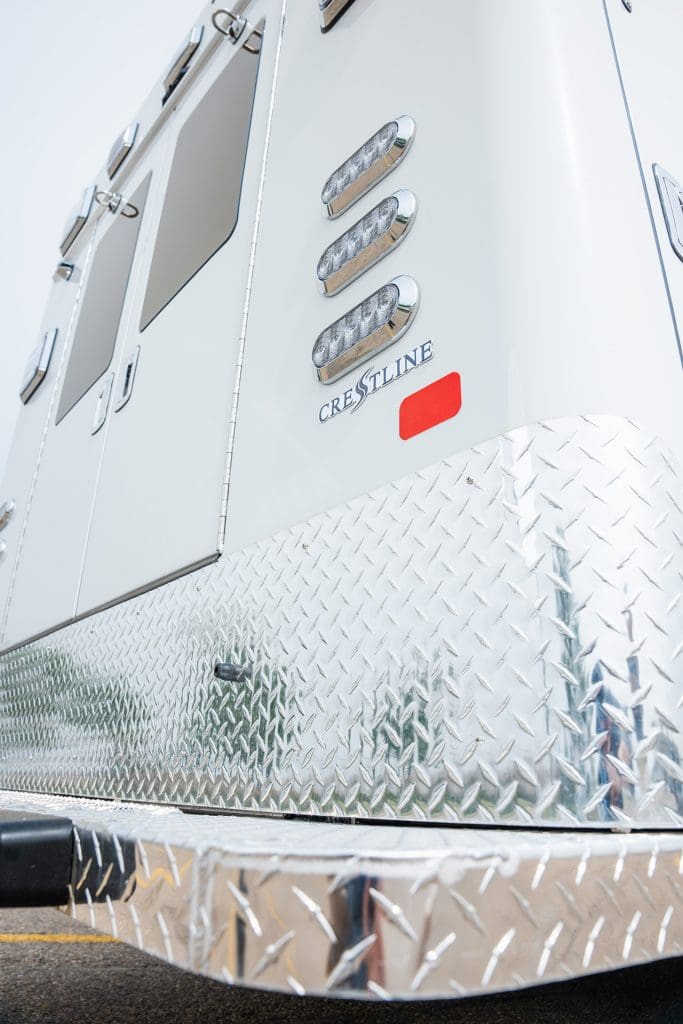
That search led APL to become the first organization in Canada to receive a Crestline CCL 150, a Type I ambulance. For Stephen Woodburn, President of Advanced Paramedic, availability was certainly part of the decision. Although APL had traditionally purchased Demers ambulances, the urgency of this need opened the door to a Crestline solution.
"We needed to get one as quickly as possible. The timeline was a big deal."
— Stephen Woodburn
APL placed its purchase order in April 2025 and received the vehicle in May 2026, a 13-month timeline that reflects Crestline’s position as one of the shortest lead-time manufacturers in the industry.
But speed was only one piece of the puzzle. The vehicle also had to match the realities of the community it would serve.
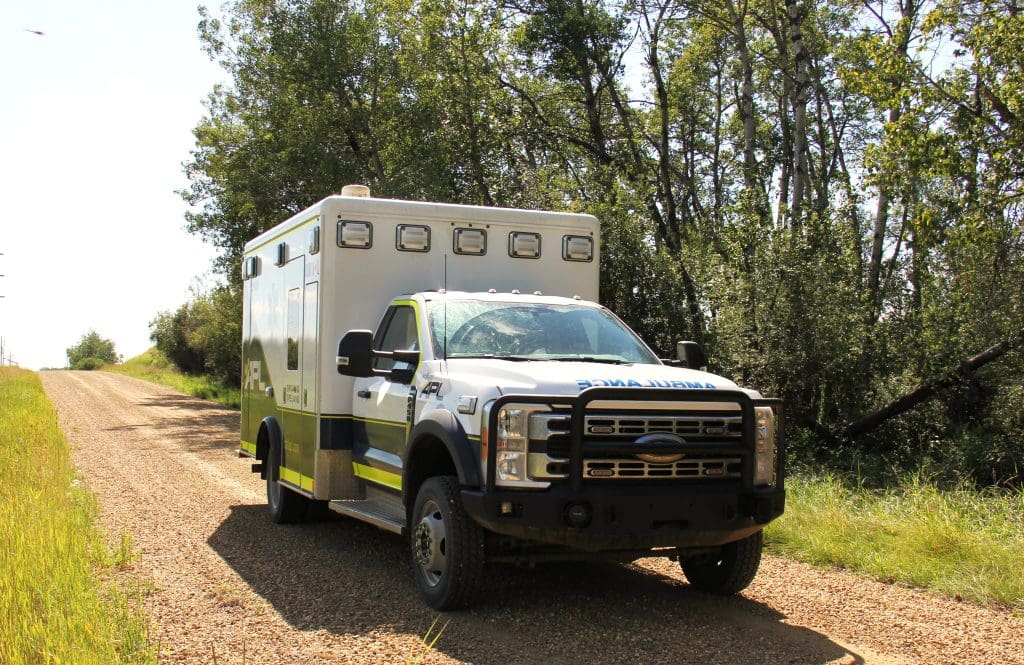
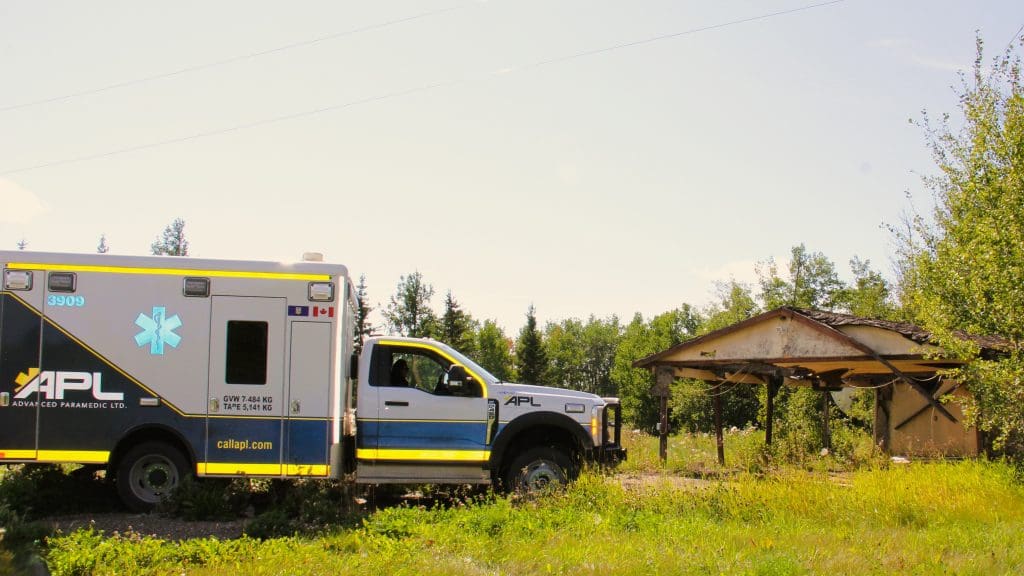
Founded more than 25 years ago by Woodburn, a paramedic himself, Advanced Paramedic has grown from an industrial ambulance provider into a diversified organization delivering air medical crew services, industrial ambulance services, remote clinics, ground ambulance operations, and special event coverage across Northern Alberta.
Today, the company operates a fleet of seven ambulances, including a mix of Type I and Type II vehicles selected based on operational requirements.
Matching the ambulance to the mission
"The community has no pavement. When you're going into people's driveways, they're narrow and not typically plowed properly in the wintertime. You need a rugged four-wheel-drive vehicle to get to people's property."
— Stephen Woodburn
For APL, that meant a Type I ambulance was the right solution. Built on a truck chassis, Type I platforms are often chosen for applications that require four-wheel drive capability, higher payload capacity, and the durability needed for demanding operating conditions. For organizations serving rural and remote communities, these features can make a meaningful difference in day-to-day operations.
APL’s decision reflects a broader conversation taking place across Canadian Paramedic Services. Fleet planning is no longer only about specifications and pricing. Organizations must also consider procurement timelines.
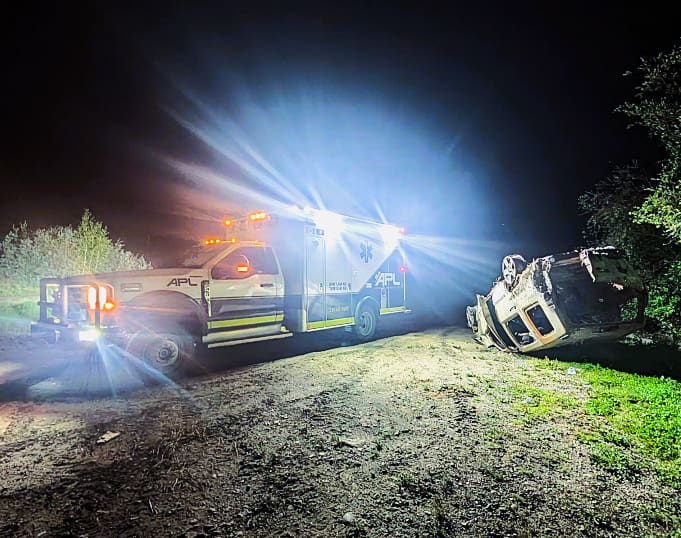
Availability has become an increasingly important factor. As many services work to replace aging vehicles while maintaining coverage levels, delivery schedules can influence purchasing decisions just as much as technical requirements. To help address that challenge, Crestline recently expanded its ambulance production capacity, increasing its ability to deliver vehicles more efficiently and predictably.
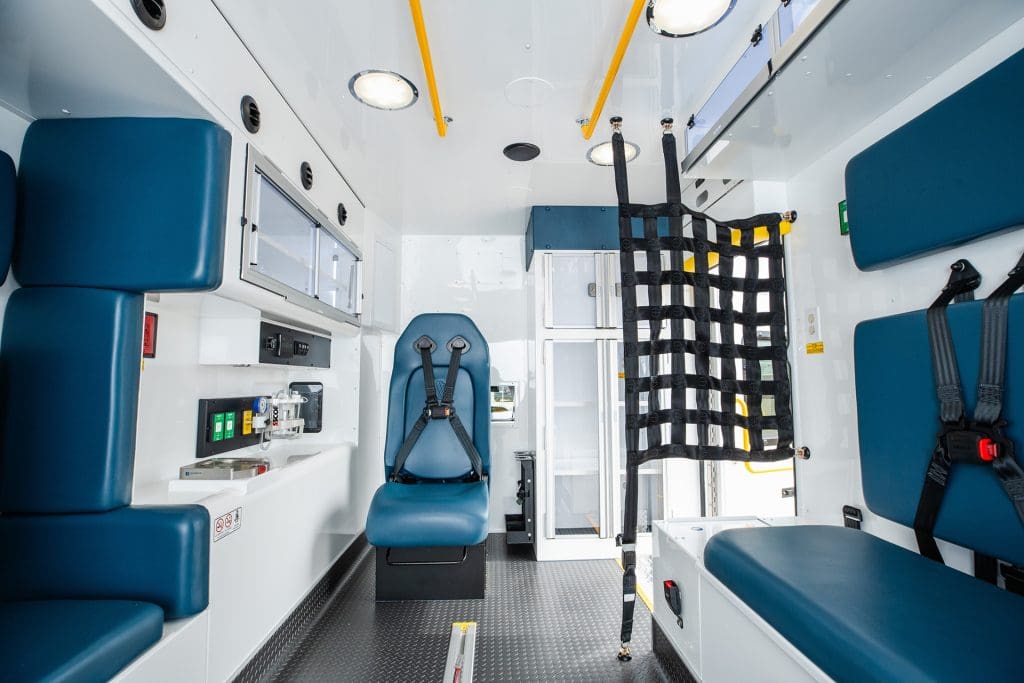
For Woodburn, however, availability only mattered because the vehicle also fit the mission. Safety and ergonomics were just as important. “We have to keep our people safe,” he said. “Ergonomics is critical.”
He believes manufacturers play an important role in helping services adapt to evolving operational requirements.
"I rely very heavily on Crestline and Demers to make sure they're staying up to date with those essential innovations."
— Stephen Woodburn
Reliability will define success
At the time of the interview, the CCL 150 had not yet entered service. The vehicle was awaiting the installation of a bumper guard before being deployed on highways where wildlife encounters are common. Still, excitement was already building among frontline crews. “They’re very excited to get it in operation,” said Woodburn.
When asked what will determine whether the vehicle is a success, his answer was immediate. “Reliability.”
For organizations serving rural and remote communities, downtime can have consequences that extend far beyond maintenance costs. Every hour spent in a shop is time a vehicle is unavailable to support crews and patients. “A warranty on a vehicle is wonderful, but the downtime to get that warranty work done is important. We need to keep this vehicle in service.”
That focus on reliability may ultimately be the most important takeaway from APL’s decision. While the CCL 150’s delivery timeline helped solve an immediate need, long-term value will be determined by how well the vehicle performs once it enters service.
As the first Canadian organization to receive a CCL 150, Advanced Paramedic will provide an early example of how this platform performs in a Canadian setting. For other Paramedic Services leaders, the story is less about being first and more about finding the right balance between availability, capability, safety, and reliability when planning the next fleet purchase.