|
| 
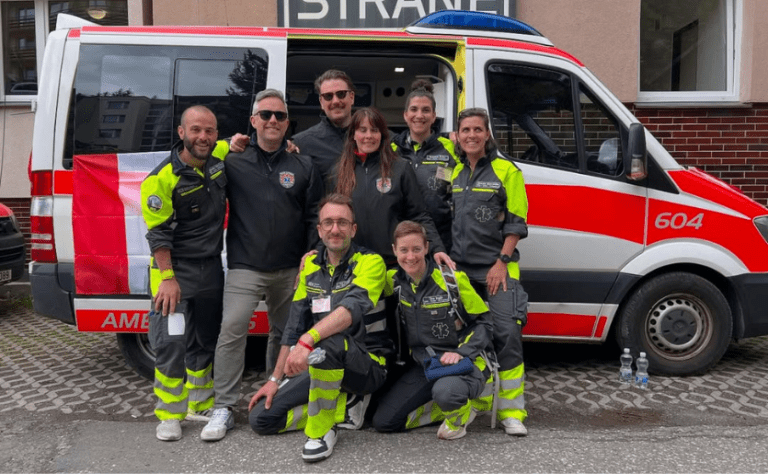
When Team Canada BC took on the demanding Rallye Rejviz international competition in May 2025, placing an impressive fourth against stiff global competition, Demers and Crestline were proud to stand behind them, helping make the trip possible. As Canadian leaders in ambulance manufacturing, we are committed partners supporting paramedics’ growth, learning, and success at every level.
Preparing for a challenge like no other
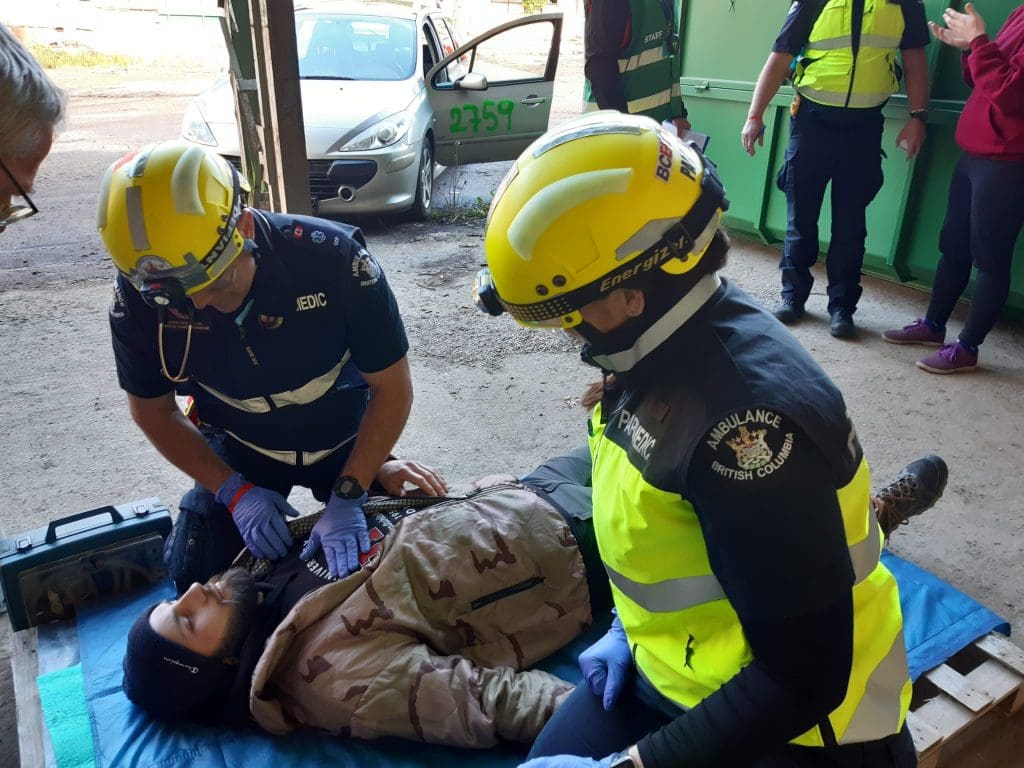
Rallye Rejviz competition is a grueling 24-hour event featuring 11 realistic, high-pressure emergency scenarios designed to test paramedics’ clinical skills, teamwork, communication, and compassion.
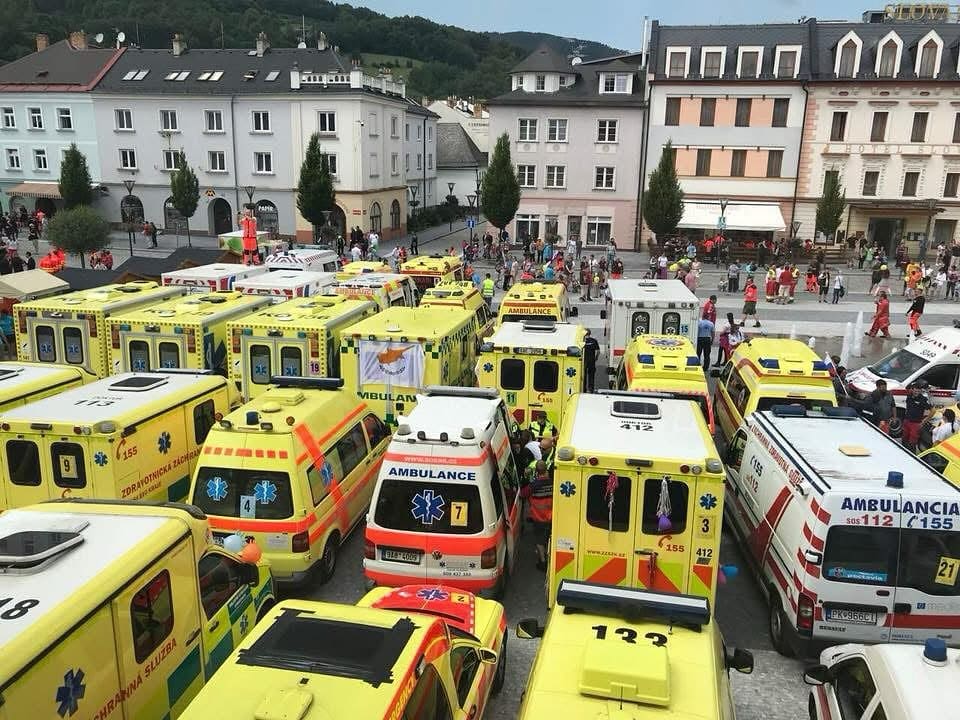
The event gathers paramedics and police from across the globe (Poland, Cyprus, Canada, London, Chechnya, and beyond). “There’s a real energy there”, says veteran paramedic and team coach Alex Mattes. Everyone’s there to learn and have a good time, but the competition is fierce. Next year, I’ll be coaching and judging, which is exciting.”
For Mattes, who has competed six times since 2016, the experience is equal parts stressful and exhilarating. “Preparation is intense”, he explains. “During the event, it’s like writing a big exam. After every scenario, you second-guess yourself. You never know where you’re standing until the very end.”
The international setting adds its own challenges. “We compete outside our usual environment: different protocols and medical practices. For example, some treatments that aren’t routine in Canada are standard there. It’s a steep learning curve.”
The power of teamwork and communication
Each scenario features skilled actors and highly realistic moulage, complete with bleeding wounds and visible injuries, to immerse participants in lifelike situations. Scoring isn’t just about technical skills; compassion, communication, and teamwork carry equal weight.
Language barriers are common, like when “no” means “yes” in some languages. But the team adapts quickly, often using tools like Google Translate to bridge gaps. “Communication is vital, especially with timed scenarios where every second counts.”
When asked about their biggest challenge this year, Mattes points to protocols. “That’s where we saw room for improvement in our marks.” But the team’s collaborative spirit earned them high praise. “Our communication, how we work together, that’s a lot of points in scoring. We stood out there.”
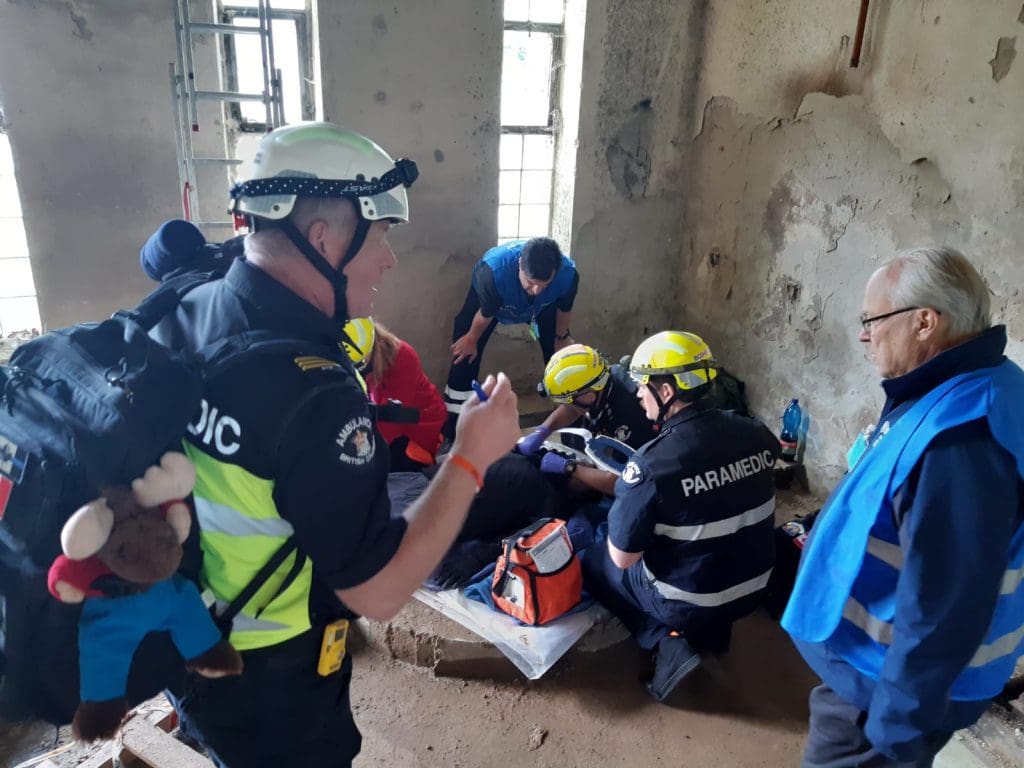
Beyond technical excellence, compassion is a defining trait. “Our team is known for that”, Mattes says. “We bring blankets, stuffed animals for kids, hold hands, and care for family members just as attentively as the patient. That’s recognized and valued in the scoring and by the community.”
A global learning journey: beyond the competition
For Mattes, Rallye Rejviz is as much about learning and connection as it is about competition. “When I take the teams over, I make it a full learning experience. We visited a hospital in Budapest that’s now a museum, and an underground bunker hospital built during World War II. We toured paramedic universities in Brno, visited stations and hospitals, seeing how they do things differently and what we can learn from them.”
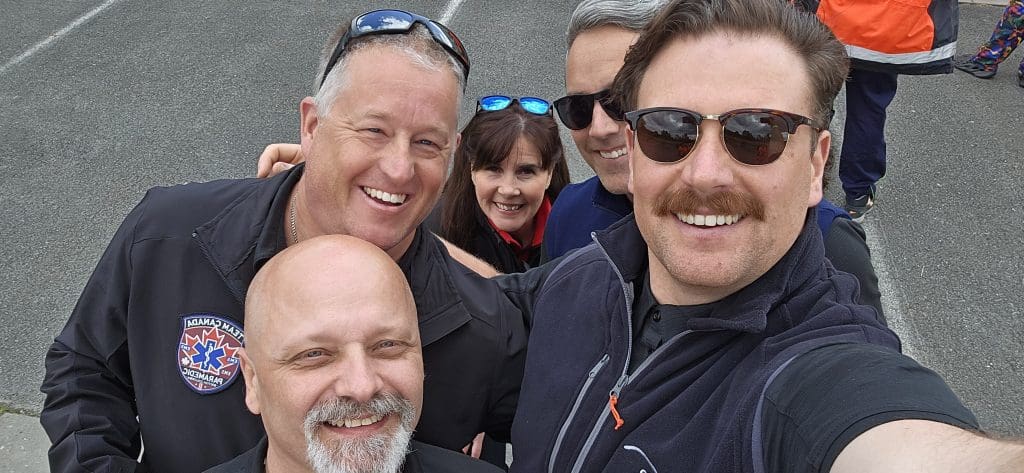
It’s also about forging lasting bonds. “The relationships we build are just as important as the skills. I stayed with a paramedic friend from Slovenia for five days in 2019, met his family, and had an amazing time. It’s really about people, connections, and learning from one another. I’ve met a lot of friends who keep me coming back.”
Ambulance Design: Balancing Innovation, Space, and Comfort
A highlight of the trip was comparing European ambulances to those built by Crestline and Demers in Canada. European vehicles are smaller, and perfect for narrow streets, but use innovative storage, like sliding compartments and wall-mounted equipment, to maximize space.
Mattes notes, “Their vehicles have no wasted space. It made me think about how we could optimize our ambulances… maybe carry less gear but make everything more accessible.”
He recalls his surprise when stepping inside: “I laughed and thought there was nothing inside. Then they started opening cabinets everywhere: ‘Oh no, it’s all here.’ They pack everything in tight, but it’s accessible.”
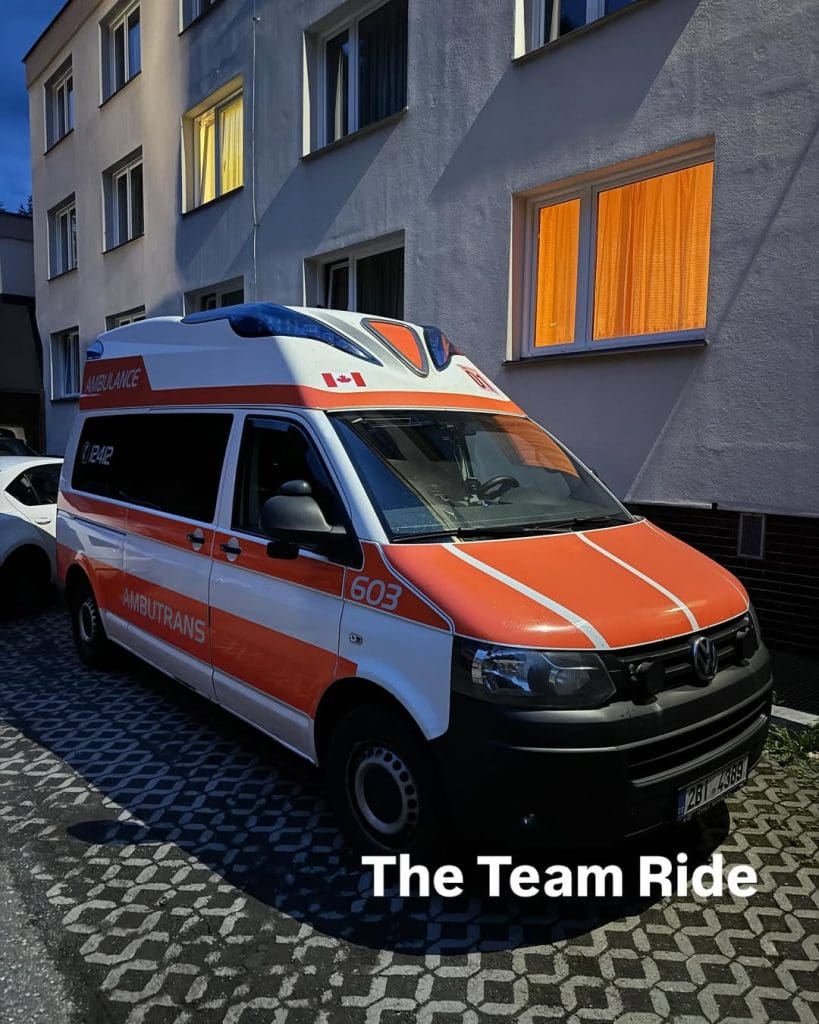
Canadian designs focus heavily on comfort for longer transports. “Our Crestline ambulances have more space and ergonomics, like reclining seats, which matter during 3–4 hour transports, or even 7–8 in remote areas. Over there, they rarely exceed two hours.”
One innovation that caught Mattes’ attention was a stretcher that slides laterally at the push of a button. “You can shift it sideways, so CPR can be done from both sides. It’s very unique and advantageous. Our Crestlines have come a long way, but this is an interesting innovation.”
He also noticed differences in headroom. “They seem to have more standing space. In Canada, work safety regulations frown on standing in a moving vehicle, but it happens. It’s fascinating how different regulations shape design.”
Bridging the Gap Between Design and Reality
When asked whether ambulance designs reflect real-world workflows, Mattes says it’s hard to know. “I’d love for manufacturers to come out to Vancouver Island, do ride-alongs, and talk to frontline paramedics, not just managers or RFP writers, about what works and what doesn’t.”
Rigid procurement processes can be a barrier. “Sometimes specs are so rigid that improvements aren’t possible. It’s not Crestline’s fault or BC Ambulance’s fault: it’s the system. That’s why feedback from the field is critical.”
Sponsorship: enabling paramedics to compete and grow
Attending an international competition comes with a steep price tag, often over $20,000 for travel, lodging, equipment, and fees. Without Demers, Crestline, and private sponsors, Team BC’s participation wouldn’t be possible.
“The sponsorship isn’t just money, it’s a vote of confidence in paramedics and their professional development,” he says. “We want to grow this even more, with plans to bring two teams next year to expand the educational impact.”

This exposure sparks conversations in the Canadian EMS community, inspiring ideas for hosting competitions at home and raising training standards. “We learn from every competition, whether it is new medications, protocols, or safety practices, and bring those lessons home. Sharing and adapting are essential in this ever-evolving field.”
For Demers and Crestline, investing in paramedics’ experiences is a way to honor the dedication they bring to their communities every day. By supporting events like Rallye Rejviz, they help strengthen the global exchange of knowledge, ensuring that paramedics worldwide continue to learn from one another and advance the profession together.