|
| 
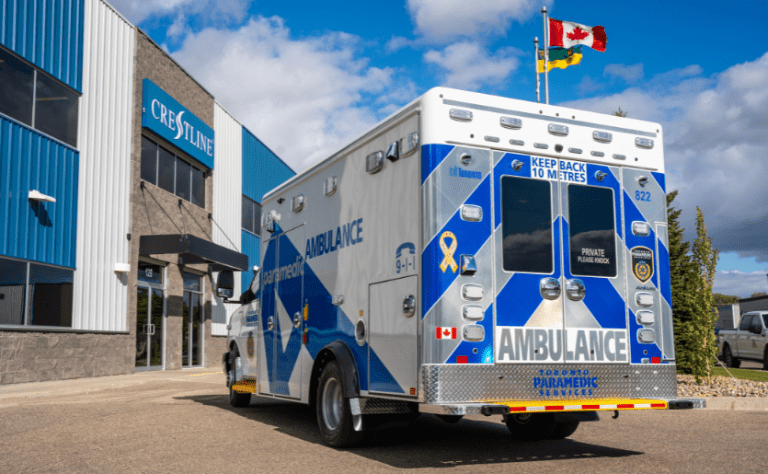
A collaborative journey toward better ergonomics, smarter technology, and stronger support for paramedics.
For years, ambulance design at Toronto Paramedic Services (TPS) followed a familiar pattern: vehicles were specified, delivered, and deployed, and frontline teams adapted. For an organization of its scale, the largest municipal paramedic service in North America, that model was not unusual. But over time, it became increasingly clear that it was no longer sufficient. Workforce growth, evolving patient care needs, and aging vehicle platforms all pointed to the same conclusion: incremental updates were no longer enough. It was time to rethink how decisions were made.
A shift in philosophy: from fleet-centered to paramedic-centered

The direction at TPS began to change with new leadership and a renewed vision for ambulance design. Instead of making decisions solely based on operational technicalities, TPS set out to develop a fleet built around the needs of paramedics and patients. Accomplishing this required one key shift: gathering meaningful input.
“Historically, we never really had documented input into the product that we were using,” explains Stefano DiCiccio, Operations Commander at TPS.
This transition marked the beginning of a broader transformation, one that moved TPS from a fleet-centred approach to a medic-centred design philosophy.
“It’s about getting the right product for the paramedic and for the patient. That’s all [the focus] is.”
Stefano DiCiccio, Operations Commander, TPS
The shift was driven in part by retention challenges within a large and complex urban environment. In a city like Toronto, where external factors such as cost of living are difficult to control, improving the work environment became a key strategy. “We try to provide the best equipment to all our employees in the organization, and part of that strategy for the paramedics was of course, the vehicles,” DiCiccio explains.
The initiative also aimed to foster stronger engagement among frontline staff, who were no longer seen simply as users, but as active contributors.
“There’s been a focus on engaging our staff, making them part of the process. Their opinions matter, and that’s changing some culture here.”
John Liriano, Administrative Superintendent, TPS
Designing with paramedics as partners
To bring that vision to life, TPS built a collaborative process rarely seen at this scale. A fleet steering committee was re-established after COVID, bringing together:
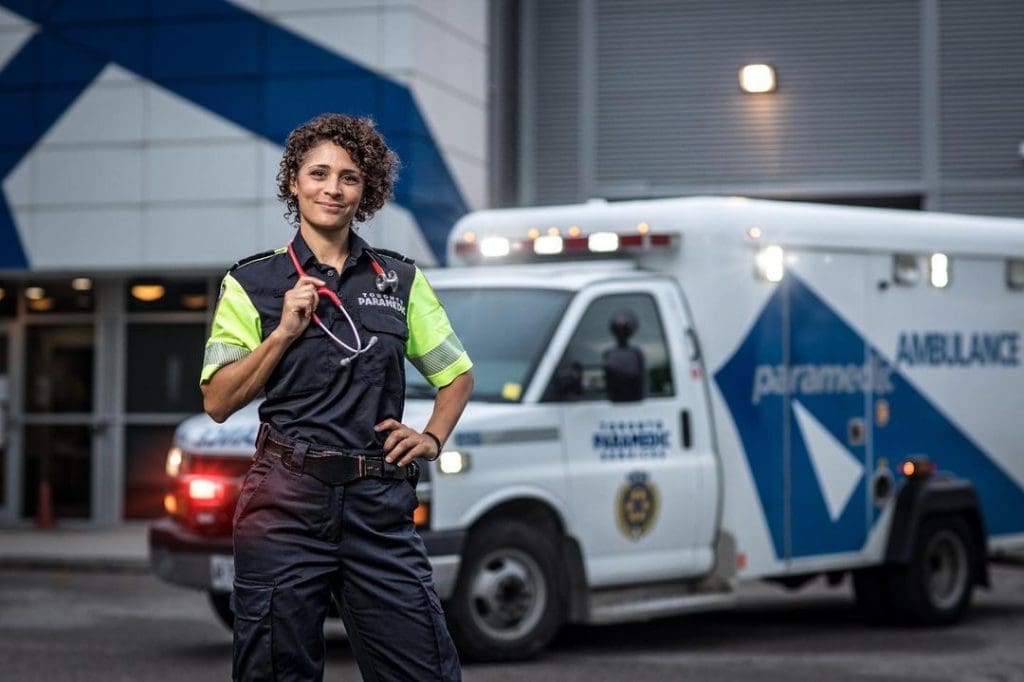
- Frontline paramedics
- Health and safety representatives
- Technicians
- Ergonomics specialists
- Leadership
This cross-functional collaboration became the foundation of the project. The objective was simple: understand existing challenges and design accordingly.
“We started to discuss… what would you like to see? What are the issues you’re having?” recalls DiCiccio. The process, however, was anything but simple. Hundreds of criteria were reviewed, debated, and refined, ranging from large structural considerations to the smallest operational details.
“We went through 236 different items.”
Stefano DiCiccio
This level of involvement added complexity and time to the project. But it also ensured that decisions were grounded in experience, not assumptions. “The more people involved, the more complicated it gets, but at the end of the day, it means the best possible product,” DiCiccio adds.
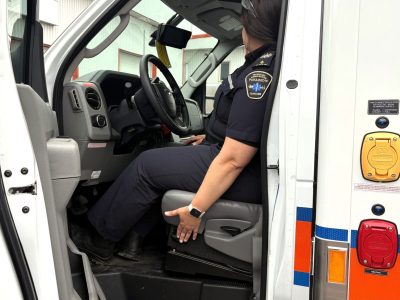
Rather than working in silos, decisions were made collectively, with each group contributing its expertise. Ergonomics played a central role, ensuring the vehicle could accommodate a diverse workforce while reducing strain and risk of injury. This level of detail reflected a clear philosophy: the vehicle’s effectiveness would be defined not only by major features but by how well it performs in everyday use.
Before defining a new vehicle, TPS, which was previously using the New Era model, took a practical first step: examining an existing Fleetmax unit already in use by another service. This early discovery phase allowed teams to physically interact with the platform, understanding its dimensions, capabilities, and limitations, and identify what would need to change to meet Toronto’s specific needs.
It grounded the process in feasibility while opening the door to customization.
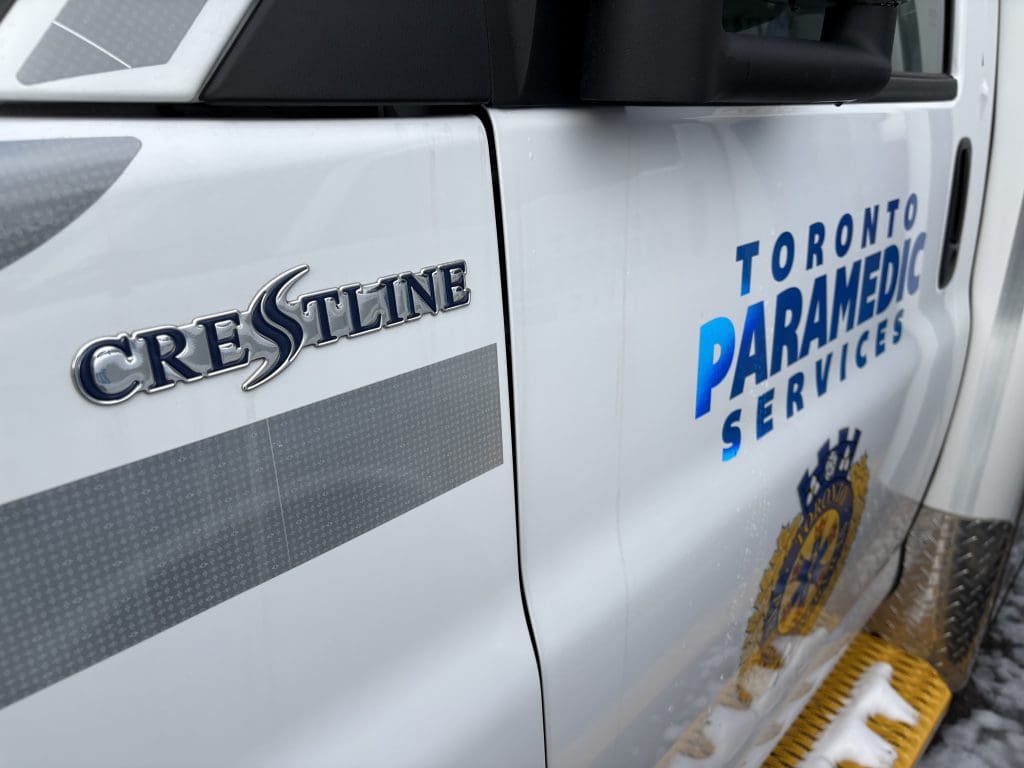
Co-designing with Crestline
With requirements defined, TPS worked closely with Crestline through an iterative design process. Each request was evaluated collaboratively, balancing operational needs with engineering feasibility. Some elements aligned with existing options, while others required adaptation or entirely new solutions.
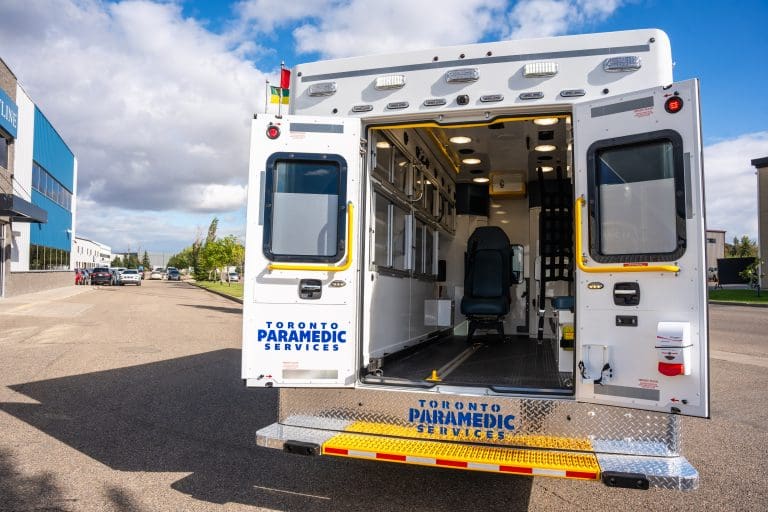
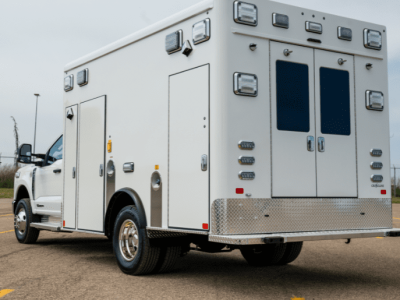
The result was a highly customized version of the Fleetmax 2.0 platform, with more than 70 special requests, well above typical industry levels. This phase marked a shift from a traditional supplier-client relationship to a true collaboration. Rather than delivering a fixed product, Crestline worked alongside TPS to refine the vehicle step by step.
Before the first unit was shipped, TPS conducted a comprehensive on-site review of the prototype at Crestline’s facility in Saskatoon. Frontline leadership and health and safety representatives walked through the vehicle in detail, validating it against the full requirements list and identifying any final adjustments needed before deployment. This step ensured alignment before deployment and reduced the risk of major gaps once the vehicle entered service.
From prototype to practice: learning in real time
Rather than finalizing the design behind closed doors, TPS introduced prototypes into real-world operations. Two units were deployed into active service, allowing paramedics to use the vehicles in daily operations. They were encouraged to test, evaluate, and provide feedback through structured surveys.
Responses were analyzed, catalogued, and categorized, distinguishing between must-have changes and lower-priority refinements. Patterns in feedback helped guide decisions, ensuring that the most impactful improvements were addressed first. “You could see what the consistencies were, and explore what needs to change,” says Liriano.
Small details quickly proved to have a meaningful impact: storage access, workflow in the patient compartment, and even something as simple as the placement of everyday items, like cup holders. “The details matter… they have an impact on the person that’s using the vehicle,” Liriano notes.
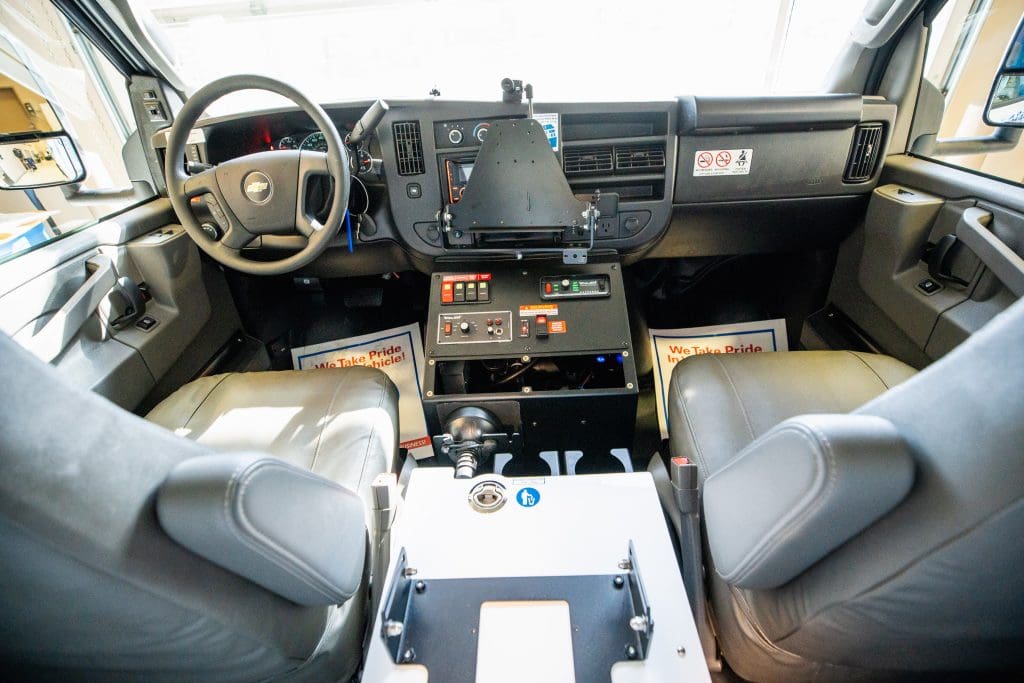
Some findings, however, reinforced an important lesson: even the most detailed design process cannot fully predict how a vehicle will perform in practice.
“When you’re actually using it, you realize how it could be even better.”
Stefano DiCiccio
Adjustments were made in real time, sometimes in response to very specific operational insights. This iterative approach ensured the vehicle kept evolving alongside its users. It also highlighted the importance of collaboration.
Crestline remained actively involved throughout this phase, incorporating changes into subsequent production lots and, where possible, supporting retrofits for vehicles already in service. “They didn’t just deliver a product and say, ‘enjoy.’ They’re open to feedback and improvements,” DiCiccio says.
This ongoing dialogue allowed TPS to enhance both usability and safety. “Crestline has been open to helping us make some of these changes, making a better product for us,” Liriano adds.
Preparing the organization
Introducing a new ambulance platform required organizational readiness.
TPS supported the rollout through internal communications, including memos, bulletins, and digital content on staff platforms. Demonstrations and hands-on exposure helped familiarize teams with the new vehicles.
Training became a key focus.
“There was a pretty steep learning curve… for staff and mechanics.”
John Liriano
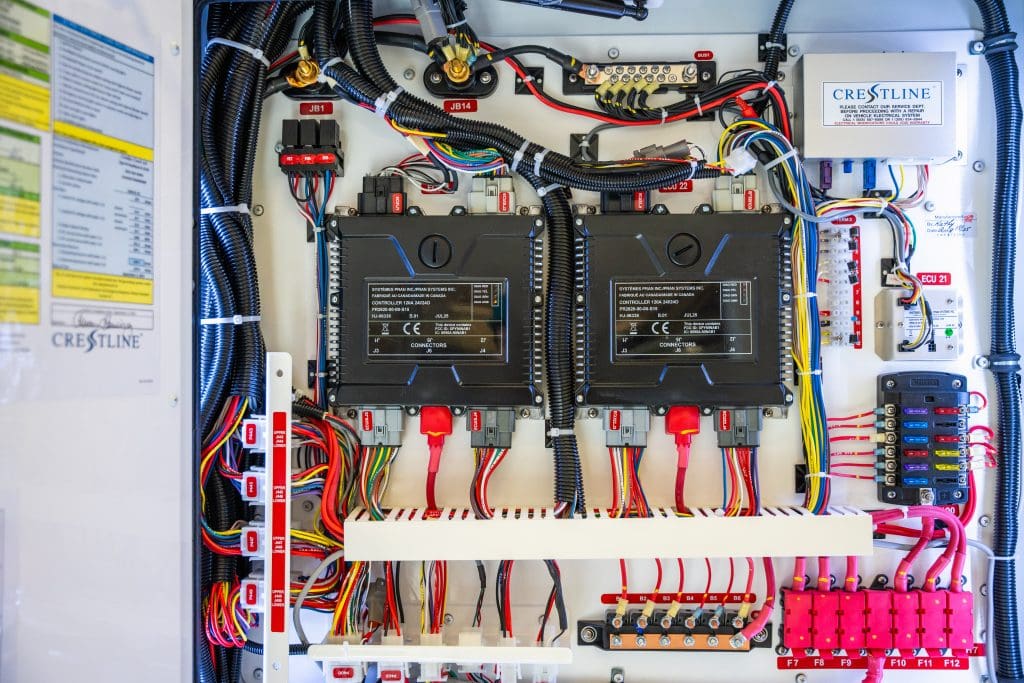
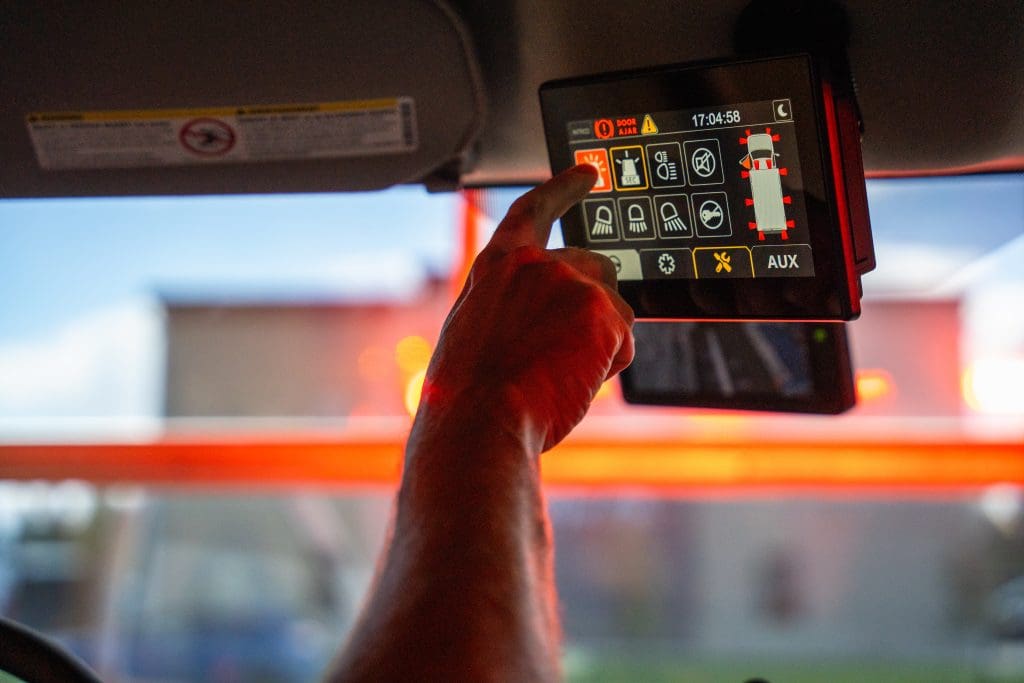
The transition to a multiplex system, replacing traditional toggle switches with digital controls, was particularly challenging. To support this shift, TPS developed training materials, integrated the new system into education programs, and provided ongoing support. Crestline also supported the transition through its own training program. Yet for TPS, this was a necessary step forward.
The introduction of Fleetmax 2.0 extended beyond the vehicle itself.
The larger platform required assessments of station infrastructure, with some garages needing modifications to accommodate the new units. Training programs evolved, and onboarding processes were updated to reflect the new technology and design.
These ripple effects underscored a key reality: changing the ambulance influences the entire operational ecosystem, because meaningful innovation rarely exists in isolation.
One year later: a positive shift
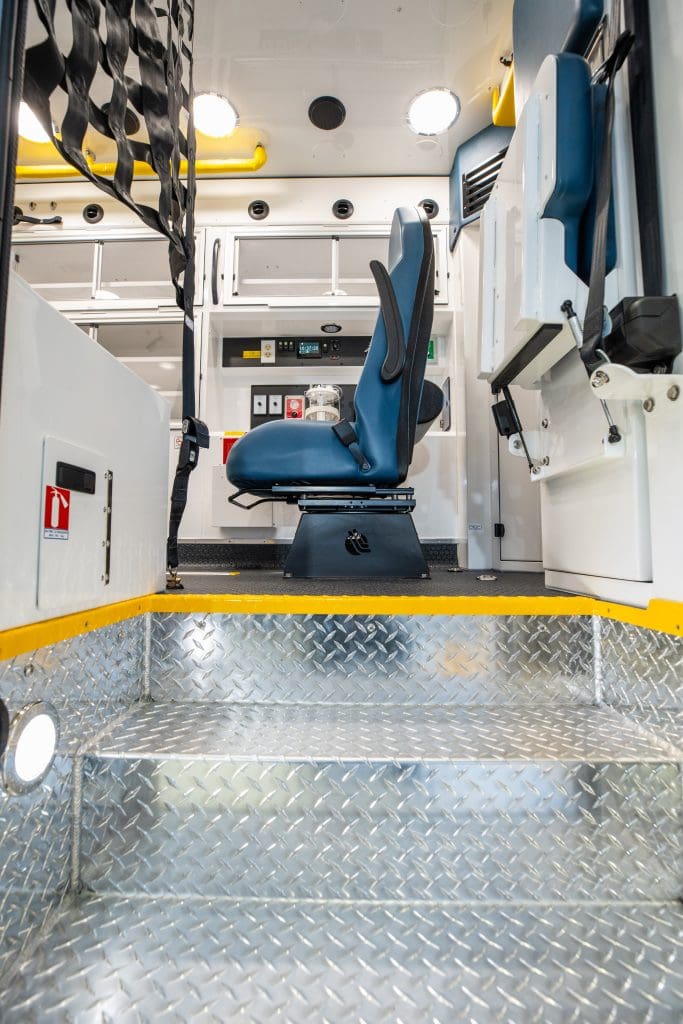
Fast-forward to March 2026, roughly a year into deployment, and the feedback from the field is clear: the new vehicles are well received. While refinements continue, the overall experience has improved. Feedback from the field highlights improvements in space, ergonomics, and workflow. “The biggest change was the height in the back. I could stand upright and be comfortable,” says DiCiccio.
While adjustments continue, they are largely focused on refinement rather than correction. As with any major change, there was an initial adjustment period. But with time and exposure, confidence has grown, and the benefits have become more evident. “Once people start using it regularly… they get more comfortable with it,” Liriano notes.
Perhaps the most lasting impact of this project is not the new ambulance, but the approach behind it. It has established a new benchmark; one that prioritizes collaboration, values frontline insight, and embraces continuous improvement.
“I think this sets the standard of the way we want to do things going into the future.”
Stefano DiCiccio
This shift has strengthened engagement, increased pride, and reinforced the importance of details in day-to-day operations. It has also normalized continuous improvement, where adjustments continue after deployment, rather than ending at delivery. When asked to summarize the evolution, one word stood out:
“Progressive,” said Liriano.