|
| 
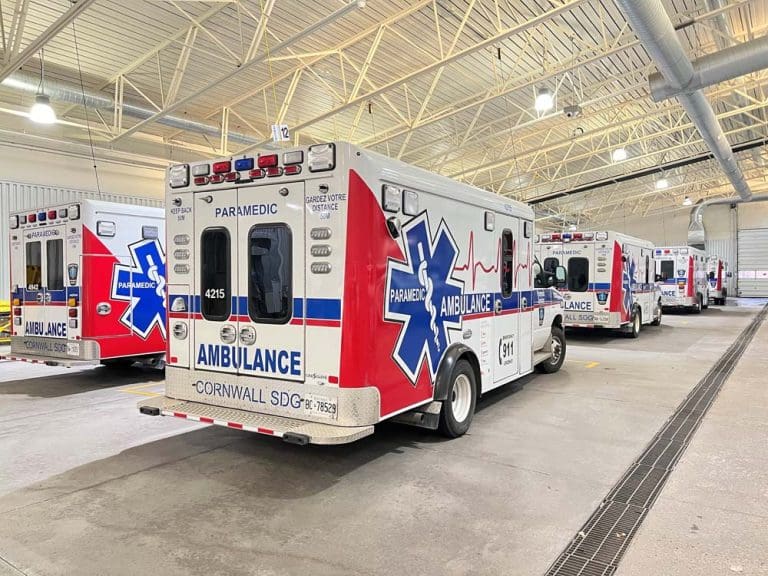
There was a time when ordering an ambulance was almost that straightforward. Services ran their units for years, picked up the phone when it was time to replace them, ordered a new truck, and carried on. Today, that approach no longer works.
Ambulance fleet management has become far more complex. Unpredictable markets, evolving vehicle standards, and shifting municipal funding have changed how EMS leaders approach capital purchases. While lead times for both new and remounted ambulances have improved compared to recent years, fleet replacement still requires careful planning and long-term strategy. Instead of occasional replacement decisions, EMS budget planning has become an ongoing strategic process.
When several vehicles reach the end of their lifecycle at the same time, services can suddenly face significant capital expenses and operational pressure. The traditional model of replacing large portions of a fleet all at once creates unnecessary risk. To avoid these challenges, many EMS organizations are moving toward a mixed procurement strategy that combines new ambulance purchases with scheduled remounts. This approach helps stabilize spending, improve return on investment, and create a more sustainable long-term replacement plan.
What is a mixed procurement strategy in EMS?
A mixed procurement strategy is a practical approach to ambulance fleet management that blends new ambulance purchases with planned remounts.
Rather than choosing strictly between new or remounted ambulances, services intentionally incorporate both into their long-term fleet lifecycle planning.
The goal is balance.
Relying only on new ambulances can create large capital spikes. When several units are purchased in the same year, they tend to age out together, forcing agencies to face another major replacement cycle down the road.
At the same time, relying entirely on remounts presents its own challenges. Even the most durable ambulance modules have a limited lifespan. As units age, maintenance costs increase and fleets can eventually reach a point where multiple modules must be retired at once.
A mixed procurement strategy helps services avoid these scenarios. By spreading out new purchases and remounts over time, EMS leaders can maintain consistent capital spending, maximize the value of their existing assets, and create a more predictable replacement cycle.
How to implement a mixed procurement model
Putting a mixed procurement strategy into practice begins with understanding the current state of your fleet and developing a long-term replacement plan.
1. Conduct a fleet age audit
Start by reviewing the age, mileage, engine hours, and maintenance history of every ambulance in your fleet.
• Identify vehicles with high mileage or increasing maintenance costs
• Determine which modules remain structurally sound
• Recognize patterns in downtime or reliability
2. Evaluate module condition versus chassis condition
In many cases, the chassis may be nearing the end of its useful life while the module still has years of service left.
• Assess structural integrity and interior wear
• Compare remount costs with the price of a new unit
• Consider whether current specifications meet future needs
3. Establish staggered replacement intervals
Avoid replacing large groups of ambulances at the same time.
• Schedule new purchases and remounts across multiple years
• Prevent multiple vehicles from aging out simultaneously
4. Build a five to ten-year capital forecast
Use available data to guide long-term fleet planning.
• Review preventative maintenance trends
• Monitor mileage and usage hours
• Align fleet planning with expected call volume growth
Partner with your OEM to plan the right procurement strategy
For a mixed procurement strategy to work effectively, it needs to be built on collaboration. We believe fleet planning should begin well before an order is placed. Instead of simply responding when a service is ready to purchase a vehicle, we aim to be involved earlier in the conversation. By working alongside our customers as part of their long-term fleet planning process, we can help align operational priorities, budget planning, and future vehicle needs.
This approach starts with open discussions about where a service is headed.
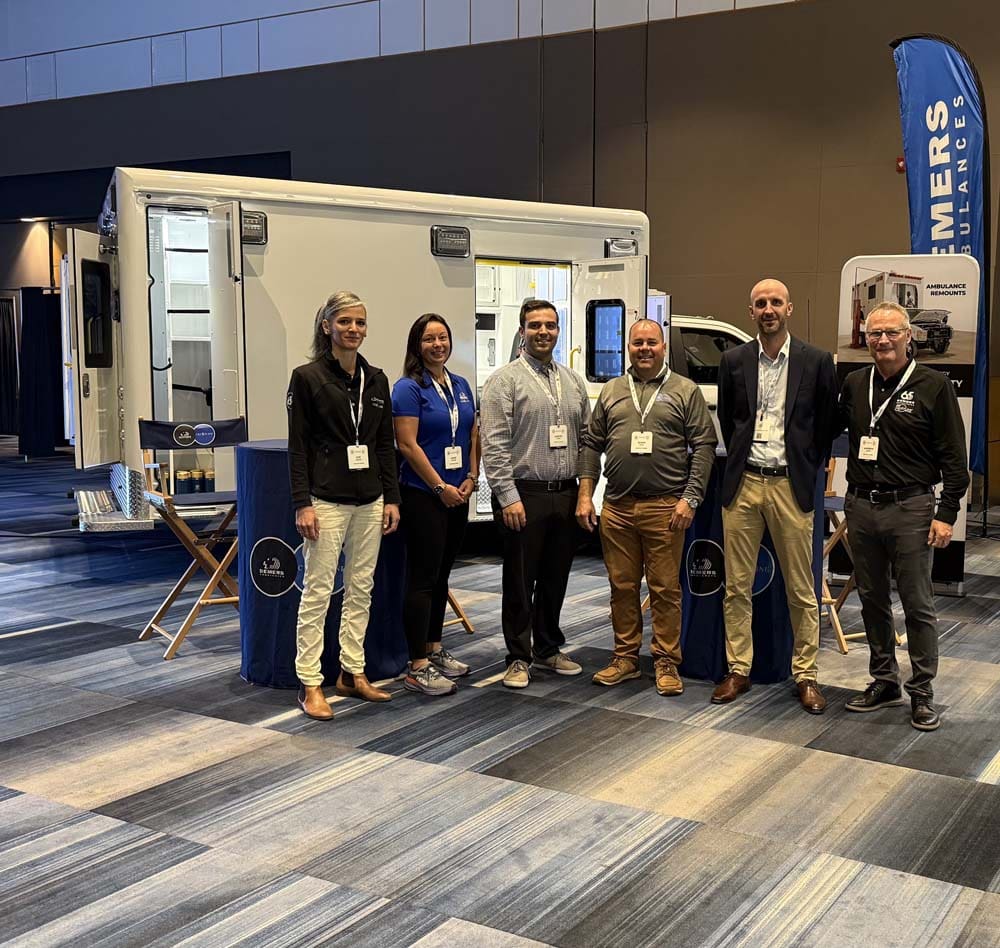
Together, we review operational requirements, fleet replacement cycles, and projected growth. When services share their data and long-term outlook with us, including their five to ten-year growth plans, it helps us better understand the demands their fleet may face in the future. With that insight, we can anticipate vehicle demand, plan our production capacity accordingly, and ramp up when needed to ensure vehicles are delivered when they are required. In many cases, we are already collaborating with customers on fleet forecasts five years ahead or more, with some planning horizons extending as far as 2030.
This type of planning gives services greater visibility into their fleet replacement timelines and helps set more realistic expectations. It also allows Crestline to align production capacity with customer needs. In some situations, manufacturing capacity can even be reserved in advance so that when a vehicle is scheduled to enter service, the production slot has already been planned.
Most importantly, these forecasts are meant to guide planning, not restrict it. Fleet needs evolve, and forecasts are designed to remain flexible. Services may need to adjust delivery timelines by a few months, add or remove units, or modify specifications as operational priorities change. Establishing a long-term outlook simply creates a framework that helps both sides prepare while still allowing the flexibility services need. Remounts are also a key component of this strategy. They allow services to maximize the value of well-built modules, extend the useful life of their assets, and maintain warranty protection throughout the remount process. Remount lead times have improved in recent years as well, with timelines now averaging about nine months in Eastern Canada and approximately six months in Western Canada. These shorter lead times provide additional flexibility for services as they plan their fleet replacement schedules. When remounts and new vehicle purchases are coordinated together, services can better manage capital spending, reduce unexpected costs, and maintain a clearer path forward for their fleet.
Ultimately, a mixed procurement strategy is about more than deciding when to purchase the next vehicle. It is about creating a long-term planning process built on communication, transparency, and shared expertise. When EMS services and manufacturers work together strategically, fleet replacement becomes more predictable, more sustainable, and better aligned with operational goals.
Need help planning your fleet procurement strategy? We can help.