When a department sets out to buy a new ambulance, it’s easy to get lost in the details—options lists, layout debates, and wish-list features that sound great in theory but sometimes complicate the job in practice. For many EMS fleet managers, balancing reliability, standardization, and value is a constant struggle.
Few people know that challenge better than Kevin Pomasl, who has spent more than three decades helping Wisconsin departments find the right fit through his family-run dealership, Pomasl Fire Equipment.
“Fleet managers who buy three to five trucks a year are typically really price-conscious,” says Pomasl. “While every customer is different, most want the same thing. They want reliability, consistency, and a familiar layout across their fleet. They expect their trucks to work, stay in service, and not cause headaches.”
The Cost of Customization
Pomasl has seen it all—from fully custom builds that look great on delivery day to fleets that quickly discover the hidden costs of one-off designs.“Customization can be great, but it’s easy to go too far,” he explains. “Every time you add something unique, you add complexity. That can mean longer lead times, higher repair costs, and a fleet that’s never quite the same from truck to truck.”
Those small inconsistencies can snowball. Medics lose time adjusting to different layouts, maintenance teams struggle with unique parts, and training costs climb. Departments that run multiple trucks often pay for that lack of standardization in ways they don’t see until years later.
Spec’ing What Matters Most
So what does matter most? Pomasl, whose dealership sells Crestline Ambulances, looks to Crestline’s standard features and recommends focusing on fundamentals that improve reliability and lifecycle value rather than novelty:
- Simplicity in electrical systems that keeps downtime low and reduces reliance on specialized technicians.
- Durable construction, such as all-aluminum cabinetry and body designs that hold up to years of service.
- Ease of maintenance, with consistent components and accessible parts.
- Remountability, allowing fleets to reuse a well-built module on a new chassis.
“These are the things that help keep a truck in service,” Pomasl says. “When you build around simplicity and repeatability, your people can focus on the mission instead of the machine.”
The Case for Standardized, Pre-Engineered Models
In recent years, manufacturers have begun to respond to that mindset by offering pre-engineered or standardized ambulance platforms. These designs aim to take the guesswork out of spec’ing while ensuring repeatable performance.
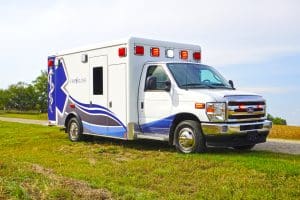
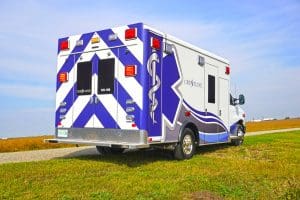
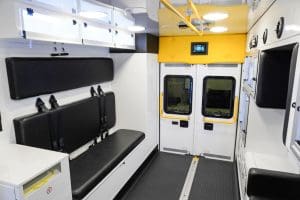
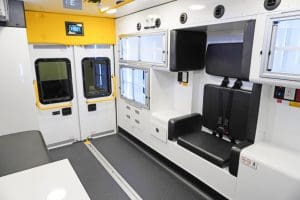
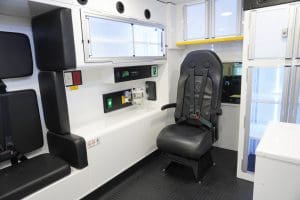
Pomasl points to Crestline’s CCL series, particularly the new CCL 166, as an example of that shift.“The CCL 166 came out of real-world feedback,” he says. “It’s based on the CCL 150, which a lot of customers loved, but they wanted a little more room—more storage, more working space. This new model gives them that without overcomplicating the build.”
The CCL 166 extends the module length and improves cab comfort while maintaining familiar systems and layouts across the fleet. It’s a reminder that “standardized” doesn’t mean “one-size-fits-all,” it means carefully coordinated functional building blocks to create a performance specification without compromise.
Listening Before Spec’ing
Pomasl’s approach to guiding customers begins with asking questions and, just as importantly, listening.
“When you let customers talk, they’ll tell you what they really need,” he says. “You learn what works and what doesn’t, and you can steer them toward a solution that fits—not just the next few months, but the next few years.”
For first-time buyers, he suggests starting with what’s already working in their current fleet, identifying pain points, and considering whether a standardized layout could improve efficiency and training consistency.
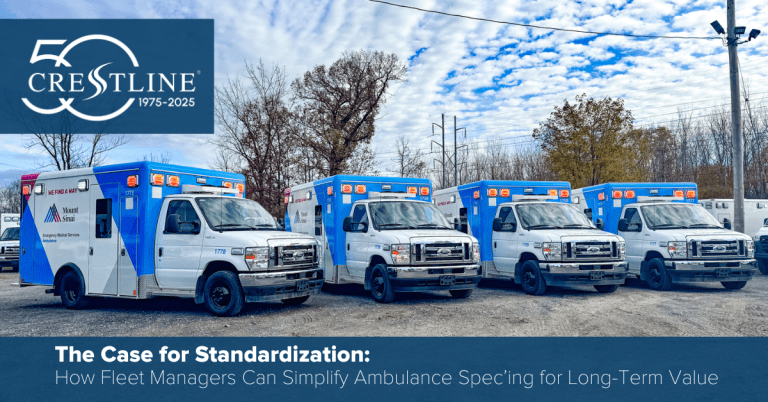
“Having the same layout across trucks builds muscle memory,” Pomasl says. “When medics jump from one truck to another, everything’s where they expect it. That’s a safety benefit as much as an operational one.”
Planning for the Future
Ultimately, choosing the right specs is less about brand loyalty and more about lifecycle thinking—building a fleet that’s consistent, serviceable, and sustainable over time.Whether a department chooses Crestline or another manufacturer, the principles remain the same: prioritize proven systems, plan for your future needs, and avoid reinventing the wheel with every order.
“Departments that focus on repeatable specs save money, shorten lead times, and spend more time in service,” Pomasl says. “That’s what matters for customers.”
A Smarter Way Forward
In an era when budgets are tight and downtime is costly, simplicity may be the most underrated feature an ambulance can have. Standardized, well-engineered models like the new CCL 166 and others in its class reflect a broader industry trend toward operational efficiency.
Visit CrestlineAmbulances.com to explore how the CCL 166’s standardized design delivers long-term fleet value.
(Images of the new CCL 166 Type III ambulance)